






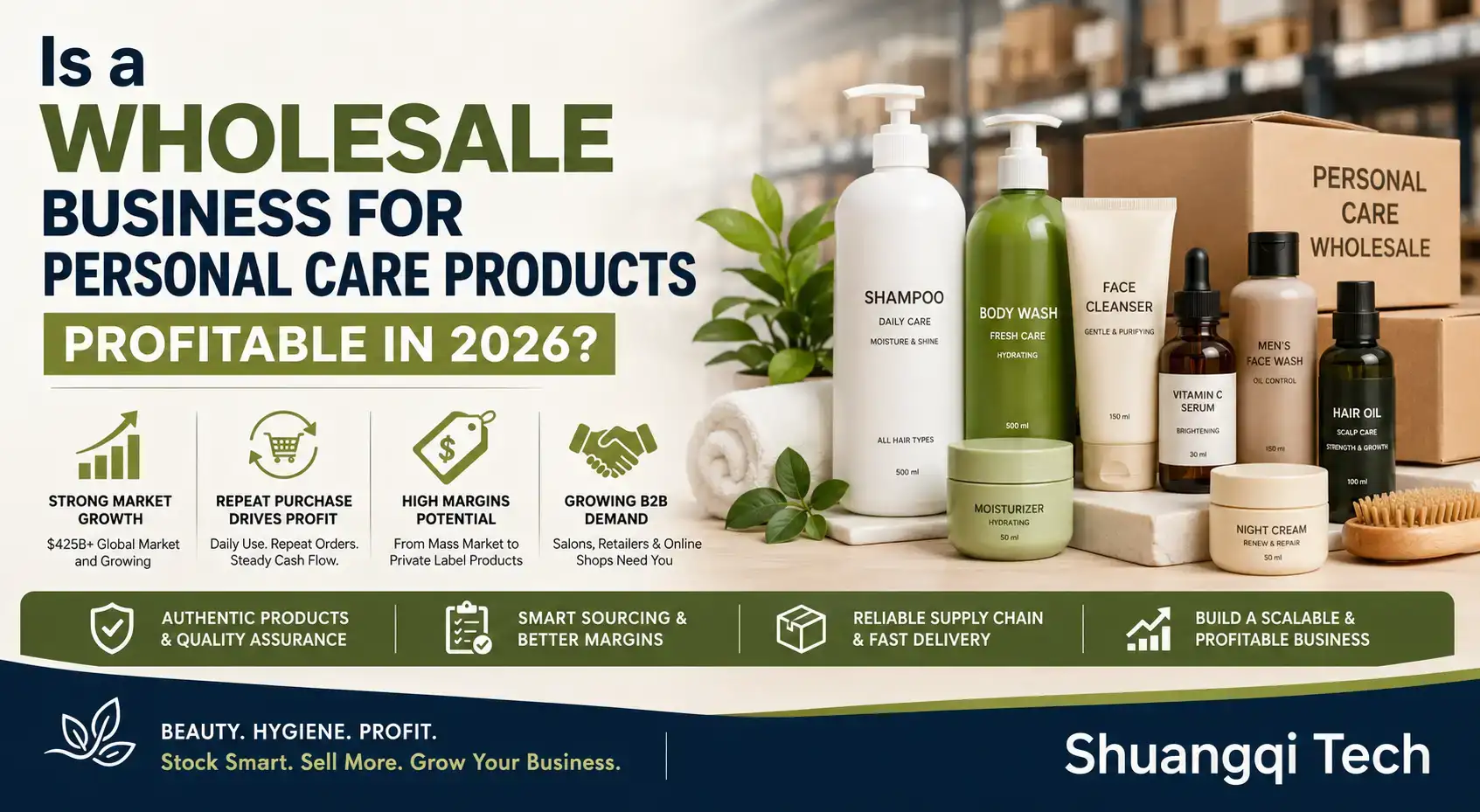
Starting a bulk supply company for beauty and hygiene items is a very smart financial move this year. The global market value for these goods has officially crossed 425 billion dollars, showing that people spend money on their skin and hair every single day. Retail stores, online shops, and local beauty salons constantly need fresh inventory to keep their shelves full. Because shoppers buy these items repeatedly, wholesale distributors enjoy steady orders and reliable cash flow throughout the year.
Data shows that the market grows by five to seven percent annually. If you sell wholesale personal care products to smaller businesses, you enter a market that resists tough economic times. People might stop buying expensive cars or luxury electronics when money is tight, but they never stop washing their hair or cleaning their faces. This constant human need keeps the industry safe and makes it highly profitable for smart business owners who know how to manage their inventory.
The profit margins stay strong because manufacturing costs remain low while retail prices remain high. Wholesalers buy goods directly from large factories at deeply discounted rates and sell them to smaller shops for a healthy markup. This business model allows you to build a scalable enterprise where your profits grow as you order larger quantities from suppliers.
The bulk beauty and hygiene industry is growing rapidly because consumers change their buying habits quickly. To make a high profit, you must understand exactly why people keep purchasing these goods.
Hygiene goods are consumable products, which means people use them up and must buy them again. A bottle of shampoo or a bar of soap only lasts a few weeks before the consumer needs a replacement. This continuous cycle creates a powerful advantage for wholesale suppliers.
When a retail shop sells a bottle of face wash, that shop must buy another bottle from a wholesaler to keep its shelves full. This creates a chain reaction of repeatable sales. You do not have to hunt for new buyers constantly because your existing buyers will order from you every single month to maintain their stock levels.
Specific types of beauty goods are making much more money than others right now. Wholesalers who stock these specific items see much faster sales and higher returns on their investments.
Small beauty salons, independent cosmetics shops, and local e-commerce websites are popping up everywhere. These small businesses have a major problem because they cannot buy their stock directly from famous global brands. Huge brands require buyers to purchase thousands of units at one time, which small shops cannot afford.
This is where a wholesale distributor makes money. You buy massive quantities from the brands, break those giant shipments down into smaller boxes, and sell them to local shops at a reasonable price. You solve a major problem for small businesses, and they reward you by giving you consistent profit margins.
To run a successful bulk supply company, you must know how much money you will make on different types of goods. Profit margins are not the same for every item, so balancing your inventory is important.
|
Product Category |
Average Wholesale Margin |
Sales Volume |
Key Examples |
|
Mass Market Hygiene |
10% to 15% |
Extremely High |
Bar soap, daily shampoo, toothpaste |
|
Premium Skincare |
20% to 40% |
Medium |
Vitamin C serums, anti-aging creams |
|
Private Label Goods |
50% or Higher |
Medium to High |
Custom branded organic hair oils |
Mass market goods are the items that almost every person uses daily. This category includes standard body washes, basic toothpastes, deodorants, and affordable hair conditioners. Because these items are cheap to make and face heavy competition, the profit margins are low, usually hovering between ten and fifteen percent.
However, you can still make excellent money here because the sales volume is massive. A retail store might buy thousands of bars of soap from you at one time. Even though you make a small amount of money on each individual bar, the total profit adds up to a large sum because of the sheer quantity of items sold.
Premium items are specialized products that target specific consumer desires. This includes high-end hair masks, concentrated facial oils, specialized sunscreens, and professional salon supplies. Because these items use high-quality ingredients, retailers are willing to pay much more for them.
Wholesale margins for premium goods stay between twenty and forty percent. Retailers happily pay these higher prices because their own customers are willing to spend top dollar for luxury skincare. Stocking these premium goods allows your wholesale business to generate high profits without needing to move millions of heavy boxes.
Private labeling is a method where you hire a third-party factory to manufacture high-quality goods, but you put your own custom brand name on the bottles. This strategy gives you total control over the pricing because no one else sells your exact product line.
[Factory Manufactures Liquid] -> [Your Brand Label Applied] -> [You Sell to Retailers at 50%+ Margin]
When you control the brand, your wholesale profit margins can easily climb past fifty percent. Retail shops love buying unique private label brands because it helps them stand out from big supermarkets that only sell common commercial items.
Finding the right place to buy your inventory determines whether your business succeeds or fails. You must source goods at low prices while ensuring the items are completely authentic.
Buying your inventory directly from the brand owners or their official distributors is the safest way to stock your warehouse. This direct connection ensures that you receive the lowest possible pricing, which directly increases your business profits.
When you buy from official sources, you also receive legal certificates that prove your goods are genuine. This proof protects your business reputation and ensures that your retail customers feel completely safe buying from you.
Modern wholesale businesses use digital platforms to find manufacturers and suppliers quickly. Working with an experienced personal care products manufacturer through established B2B platforms allows you to negotiate prices, view factory certifications, and order custom formulations easily.
These digital marketplaces let you compare multiple factories side by side so you can secure the best deal. You can also use these platforms to discover new global manufacturing trends before they become popular in your local market.
Every profitable business comes with specific dangers that can destroy your earnings if you do not plan carefully. You must actively protect your warehouse and your money from these common industry risks.
Fake beauty products are a massive problem globally, making up about five percent of the total market supply. If you accidentally buy counterfeit items from a shady supplier, you can lose your entire business overnight.
[Fake Supplier] -> [Accidental Wholesale Purchase] -> [Retailer Complaint] -> [Legal Fines & Closed Business]
Retail shops will immediately stop working with you if you sell them fake cosmetics, and law enforcement agencies can issue massive financial fines. You must inspect every shipment, verify supplier credentials, and demand official batch numbers for every item you buy.
Government health agencies around the world are passing strict laws regarding what chemicals can go into cosmetics and skin lotions. If you import goods that contain banned ingredients, customs officials will confiscate your entire shipment, causing you to lose thousands of dollars.
You must stay informed about local health laws and ingredient restrictions. Make sure every product in your warehouse has clear ingredient labels and safety data sheets so you never face legal blockages or unexpected government penalties.
Trends in the beauty industry change rapidly. A specific color of lipstick or a trendy hair oil might be incredibly popular this month, but it can completely lose its appeal by next month.
If you buy too much of a trendy item, you risk getting stuck with dead stock, which means products that sit in your warehouse that nobody wants to buy. This traps your cash inside useless inventory. To prevent this, always start by ordering a small variety of high-demand items, and only buy larger amounts once you see consistent sales.
Running a bulk supply company for beauty and hygiene products is one of the most reliable ways to build wealth this year. The data demonstrates that consistent consumer need keeps this market stable, even when other retail sectors experience financial struggles. By balancing your inventory between high-volume daily hygiene items and high-margin premium skincare treatments, you can create a business that generates excellent revenue every single month.
The path to success requires careful management of your supply chain and a deep understanding of current ingredient trends. Wholesalers who avoid the traps of fake goods, steer clear of banned ingredients, and keep their inventory moving quickly will see excellent financial returns. The high demand from local beauty salons and independent retail websites ensures that your customer base will continue to expand as long as you provide authentic products and reliable delivery times.
Finding a dependable manufacturing partner is the most important step toward building a highly profitable bulk supply business. You need a partner who can supply premium formulas, handle large volume orders, and deliver consistent quality that keeps your retail clients coming back for more.
Our team at Shuangqi Tech specializes in creating top-tier beauty and hygiene formulations that meet strict modern safety standards. We offer comprehensive manufacturing and private label services to help you launch unique product lines that command exceptional profit margins in the wholesale marketplace. Contact us today to discuss your inventory needs and let us help you build a successful enterprise.
A remote contro
READ FULLBuyers sourcing remote control light bulbs
READ FULLA touch control desk lamp replac
READ FULL